Sometimes, finding the right polite words can be difficult, especially when you want to sound friendly and professional. Other Ways to Say It Would Be Greatly Appreciated can help you avoid repetition. You may also want to know the greatly appreciated meaning, a greatly appreciated synonym, or the highly appreciated meaning.
This guide explains Other Ways to Say It Would Be Greatly Appreciated in simple and natural ways. You will learn useful phrases for emails, work, and everyday messages. We also explain when your feedback is greatly appreciated and it would be greatly appreciated.
What Does “It Would Be Greatly Appreciated” Mean?
“It would be greatly appreciated” is a polite, formal expression used to thank someone in advance for a favor, action, or piece of help you’re requesting. It signals gratitude before the other person has even responded, softening a request and making it sound less like a demand and more like a courteous ask.
For example, saying “A quick reply would be greatly appreciated” politely nudges someone to respond without sounding pushy or entitled.
When to Use “It Would Be Greatly Appreciated”
This phrase works well when:
- You’re making a request in a professional email or letter
- You want to soften a demand or reminder
- You’re asking a favor from a colleague, client, or stranger
- You want to end a message on a courteous, grateful note
- You need to express thanks in advance for something not yet done
It’s especially common in customer service replies, workplace emails, cover letters, and formal written communication where politeness matters.
Is It Professional/Polite to Say “It Would Be Greatly Appreciated”?
Yes, “it would be greatly appreciated” is both professional and polite. It’s widely used in business writing, academic communication, and customer service because it conveys gratitude and respect without sounding demanding. However, because it’s so common, overusing it can make your writing feel generic or impersonal. Rotating in the alternatives below keeps your communication fresh while maintaining the same level of professionalism.
Synonyms for “It Would Be Greatly Appreciated”
Below is a quick-reference table of all 30 alternatives, followed by a detailed breakdown of each one.
| # | Phrase | Tone | Best For |
| 1 | I Would Be Grateful | Formal | Professional emails |
| 2 | Your Help Would Mean a Lot | Warm | Personal requests |
| 3 | I’d Truly Value It | Sincere | Meaningful favors |
| 4 | Your Support Would Be Appreciated | Formal | Team or workplace asks |
| 5 | I’d Be Thankful | Casual-formal | Everyday requests |
| 6 | It Would Mean a Great Deal | Heartfelt | Emotional or personal asks |
| 7 | I Would Be Indebted | Very formal | Big favors, formal letters |
| 8 | Your Assistance Would Be Invaluable | Formal | High-stakes professional asks |
| 9 | I’d Really Appreciate It | Casual | Everyday conversation |
| 10 | Your Cooperation Would Be Appreciated | Formal | Policy or process requests |
| 11 | I’d Be Much Obliged | Formal/old-fashioned | Traditional or polite writing |
| 12 | Your Time Would Be Appreciated | Formal | Scheduling, meetings, interviews |
| 13 | It Would Help Me Greatly | Neutral | Direct, honest requests |
| 14 | I’d Sincerely Value It | Sincere | Trust-based requests |
| 15 | Your Input Would Be Appreciated | Formal | Feedback requests |
| 16 | It Would Be a Huge Help | Casual | Friends, coworkers |
| 17 | I’d Be Thankful for Your Guidance | Respectful | Mentorship, advice-seeking |
| 18 | Your Attention Would Be Appreciated | Formal | Urgent notices |
| 19 | I Would Value Your Consideration | Formal | Applications, proposals |
| 20 | It Would Be a Great Favor | Neutral-formal | Personal favors |
| 21 | I’d Appreciate Your Efforts | Formal | Acknowledging work |
| 22 | Your Effort Would Be Valued | Formal | Team recognition |
| 23 | I’d Welcome Your Support | Warm-formal | Collaborative requests |
| 24 | Your Feedback Would Be Appreciated | Formal | Surveys, reviews |
| 25 | I’d Truly Be Grateful | Sincere | Personal or emotional requests |
| 26 | Your Participation Would Be Valued | Formal | Events, surveys, meetings |
| 27 | I Would Appreciate Your Time | Formal | Interviews, calls |
| 28 | Your Help Would Be Treasured | Warm | Close relationships |
| 29 | I’d Be Glad for Your Assistance | Neutral | General help requests |
| 30 | Your Contribution Would Be Appreciated | Formal | Donations, group projects |
1. I Would Be Grateful
Meaning: This phrase expresses thanks in a slightly more personal, first-person way than “it would be greatly appreciated,” directly attaching the gratitude to yourself rather than keeping it abstract.
Scenario: Best used in professional emails when you’re requesting documents, approvals, or a response from a colleague or supervisor.
Best Use: Formal written communication, especially emails and letters.
Tone: Formal and courteous.
Explanation: Because it starts with “I,” this phrase feels more personal and direct while still maintaining professionalism. It works well as a closing line before a signature.
Examples:
- I would be grateful if you could send the report by Friday.
- I would be grateful for any feedback on my proposal.
- I would be grateful if you could confirm the meeting time.
- I would be grateful for your patience while we resolve this issue.
- I would be grateful if you could review the attached document.
- I would be grateful for a quick response, as the deadline is near.
2. Your Help Would Mean a Lot
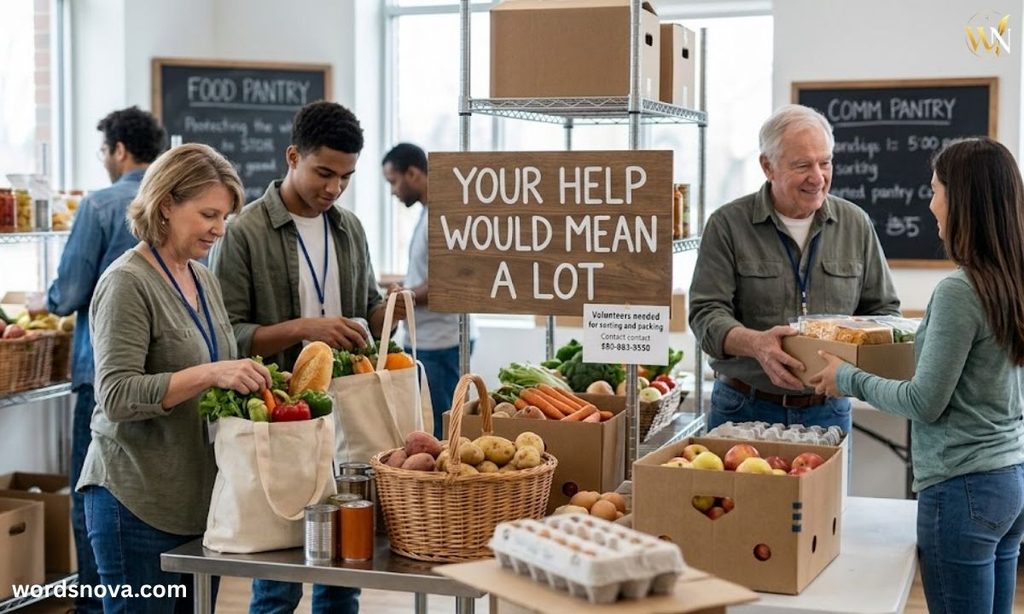
Meaning: This phrase emphasizes the emotional or personal value of someone’s assistance, rather than just being a polite formality.
Scenario: Ideal for personal requests to friends, family, or close colleagues where warmth matters more than formality.
Best Use: Casual to semi-formal messages, texts, or personal emails.
Tone: Warm and heartfelt.
Explanation: Unlike stiffer alternatives, this phrase shows genuine emotional investment in the outcome, making the person feel valued rather than simply useful.
Examples:
- Your help would mean a lot to me right now.
- Your help would mean a lot during this busy week.
- Your help would mean a lot as I prepare for the interview.
- Your help would mean a lot to my whole family.
- Your help would mean a lot while I settle into the new role.
- Your help would mean a lot if you could join us on moving day.
3. I’d Truly Value It
Meaning: This phrase conveys sincere appreciation, suggesting that the help or action holds real, lasting importance to you.
Scenario: Works well when asking for advice, mentorship, or thoughtful input rather than a simple task.
Best Use: Semi-formal emails, mentorship conversations, or requests for expert opinion.
Tone: Sincere and respectful.
Explanation: The word “truly” adds emphasis, making the appreciation sound more genuine and less like a routine courtesy phrase.
Examples:
- I’d truly value it if you could share your thoughts on my draft.
- I’d truly value it if you could mentor me this quarter.
- I’d truly value it if you gave the plan a second look.
- I’d truly value it if you could walk me through the process.
- I’d truly value it if you were honest about the weaknesses.
- I’d truly value it if you could recommend a good next step.
4. Your Support Would Be Appreciated
Meaning: This phrase asks for backing, encouragement, or assistance from a group or individual, often in a workplace or team setting.
Scenario: Useful when requesting help from a team, department, or manager on a project or initiative.
Best Use: Workplace emails, team announcements, or project requests.
Tone: Formal and professional.
Explanation: “Support” implies ongoing help rather than a one-time favor, making it ideal for collaborative or long-term requests.
Examples:
- Your support would be appreciated as we roll out the new system.
- Your support would be appreciated during the transition period.
- Your support would be appreciated in convincing the client to proceed.
- Your support would be appreciated at Thursday’s planning meeting.
- Your support would be appreciated while we finalize the budget.
- Your support would be appreciated as we train the new hires.
5. I’d Be Thankful
Meaning: A simple, direct way to express gratitude that sits between casual and formal tone.
Scenario: Suitable for everyday requests, whether at work, school, or in personal messages.
Best Use: Everyday emails, texts, and general communication.
Tone: Casual-formal, versatile.
Explanation: This phrase is shorter and more conversational than “greatly appreciated,” making it fit naturally into everyday speech and writing.
Examples:
- I’d be thankful if you could pick up the package for me.
- I’d be thankful for any advice you can offer.
- I’d be thankful if you let me know when you’re free.
- I’d be thankful for a heads-up before the meeting starts.
- I’d be thankful if you could double-check these numbers.
- I’d be thankful for your patience as I learn the new software.
6. It Would Mean a Great Deal
Meaning: This phrase emphasizes deep personal or emotional significance, more so than a routine “thank you.”
Scenario: Best for emotionally significant requests, such as asking someone to attend an event or support you through a difficult time.
Best Use: Personal letters, heartfelt messages, invitations.
Tone: Heartfelt and sincere.
Explanation: “A great deal” intensifies the sentiment, signaling that the request matters on a personal level, not just practically.
Examples:
- It would mean a great deal if you could attend my graduation.
- It would mean a great deal if you supported this decision.
- It would mean a great deal to have your blessing.
- It would mean a great deal if you could be there for the ceremony.
- It would mean a great deal if you gave this idea a chance.
- It would mean a great deal to hear your honest opinion.
7. I Would Be Indebted
Meaning: This phrase expresses a strong sense of obligation or gratitude, implying the favor is significant enough that you’ll feel you owe the person.
Scenario: Best for major favors, formal letters, or situations where someone is going out of their way to help you.
Best Use: Formal letters, high-stakes professional requests.
Tone: Very formal, almost traditional.
Explanation: “Indebted” is a strong word, so it should be reserved for genuinely significant favors rather than small, everyday requests, or it can sound exaggerated.
Examples:
- I would be indebted if you could write me a reference letter.
- I would be indebted for your help securing this contract.
- I would be indebted if you could vouch for my experience.
- I would be indebted to you for covering my shift this weekend.
- I would be indebted if you could introduce me to the client.
- I would be indebted for any guidance during this transition.
8. Your Assistance Would Be Invaluable
Meaning: This phrase communicates that someone’s help is not just useful but essential or irreplaceable to the outcome.
Scenario: Ideal for high-stakes professional requests where expert help genuinely changes the result.
Best Use: Business proposals, formal project requests, academic collaborations.
Tone: Formal and highly respectful.
Explanation: “Invaluable” raises the stakes of the request, showing the recipient that their specific contribution truly matters and can’t be easily replaced.
Examples:
- Your assistance would be invaluable in finalizing this contract.
- Your assistance would be invaluable as we prepare for the audit.
- Your assistance would be invaluable given your experience in this field.
- Your assistance would be invaluable during the product launch.
- Your assistance would be invaluable in reviewing the legal terms.
- Your assistance would be invaluable to the success of this project.
9. I’d Really Appreciate It
Meaning: A casual, everyday version of “it would be greatly appreciated,” used in relaxed conversations and informal writing.
Scenario: Best suited for texts, chats, casual emails, or spoken requests among friends and coworkers.
Best Use: Informal communication.
Tone: Casual and friendly.
Explanation: Dropping “greatly” for “really” makes the phrase sound more conversational and less stiff, fitting naturally into everyday speech.
Examples:
- I’d really appreciate it if you could grab coffee on your way in.
- I’d really appreciate it if you replied when you get a chance.
- I’d really appreciate it if we could reschedule to Monday.
- I’d really appreciate it if you could proofread this quickly.
- I’d really appreciate it if you kept this between us for now.
- I’d really appreciate it if you could cover my shift tomorrow.
10. Your Cooperation Would Be Appreciated
Meaning: This phrase asks for compliance or teamwork, often in the context of rules, procedures, or shared responsibilities.
Scenario: Common in formal notices, policy reminders, or requests involving multiple people following the same guidelines.
Best Use: Official announcements, policy emails, HR communications.
Tone: Formal and slightly directive.
Explanation: “Cooperation” implies working together within a set of expectations, making it ideal for situations involving rules or shared procedures rather than a single favor.
Examples:
- Your cooperation would be appreciated as we update the office policy.
- Your cooperation would be appreciated during the fire drill.
- Your cooperation would be appreciated in submitting timesheets on time.
- Your cooperation would be appreciated while we resolve this billing issue.
- Your cooperation would be appreciated as we transition to the new system.
- Your cooperation would be appreciated in following the updated guidelines.
11. I’d Be Much Obliged
Meaning: A traditional, somewhat old-fashioned way of expressing gratitude, similar in spirit to “I would be indebted” but slightly softer.
Scenario: Fits formal, traditional, or even slightly old-fashioned writing styles, such as formal letters or polite customer service responses.
Best Use: Formal or traditional written communication.
Tone: Formal, courteous, classic.
Explanation: While less common in modern casual speech, this phrase still appears in professional writing where a polished, traditional tone is desired.
Examples:
- I’d be much obliged if you could confirm receipt of this letter.
- I’d be much obliged for your prompt reply.
- I’d be much obliged if you could forward this to the right department.
- I’d be much obliged for any assistance you can provide.
- I’d be much obliged if you could clarify the next steps.
- I’d be much obliged for your understanding in this matter.
12. Your Time Would Be Appreciated
Meaning: This phrase specifically thanks someone for the time they’re giving, rather than for the effort or outcome itself.
Scenario: Best when scheduling meetings, interviews, calls, or asking someone to review something that takes time.
Best Use: Scheduling requests, interview follow-ups, formal invitations.
Tone: Formal and respectful.
Explanation: Since time is a limited resource, acknowledging it directly shows the requester understands and respects the recipient’s schedule.
Examples:
- Your time would be appreciated during tomorrow’s onboarding session.
- Your time would be appreciated for a brief 15-minute call.
- Your time would be appreciated in reviewing the attached slides.
- Your time would be appreciated at next week’s interview.
- Your time would be appreciated in walking the new intern through the process.
- Your time would be appreciated for a quick feedback session.
13. It Would Help Me Greatly

Meaning: A direct, honest phrase that focuses on how the action will practically benefit you.
Scenario: Works well when you want to be transparent about why you’re asking, without sounding overly emotional or formal.
Best Use: Direct requests in emails, messages, or conversations.
Tone: Neutral and straightforward.
Explanation: This phrase skips flowery language and gets straight to the point, which can feel more genuine in practical, task-based requests.
Examples:
- It would help me greatly if you could send the invoice today.
- It would help me greatly to know your availability this week.
- It would help me greatly if you could clarify the requirements.
- It would help me greatly to have the data before the meeting.
- It would help me greatly if you shared the file link again.
- It would help me greatly to get your sign-off by Monday.
14. I’d Sincerely Value It
Meaning: This phrase highlights genuine, heartfelt appreciation, often used when trust or honesty is central to the request.
Scenario: Ideal for requests involving trust, such as asking for honest feedback or a candid opinion.
Best Use: Feedback requests, trust-based conversations, formal reviews.
Tone: Sincere and thoughtful.
Explanation: “Sincerely” reinforces that the appreciation is authentic, which builds trust and encourages open, honest responses from the recipient.
Examples:
- I’d sincerely value it if you gave me honest feedback on this.
- I’d sincerely value it if you shared any concerns upfront.
- I’d sincerely value it if you reviewed my performance candidly.
- I’d sincerely value it if you could point out any flaws.
- I’d sincerely value it if you told me the truth about the delay.
- I’d sincerely value it if you offered your unfiltered opinion.
15. Your Input Would Be Appreciated
Meaning: This phrase specifically requests someone’s opinion, ideas, or feedback on a topic or decision.
Scenario: Common when gathering feedback from a team, client, or group before finalizing a decision.
Best Use: Feedback requests, brainstorming sessions, decision-making emails.
Tone: Formal and collaborative.
Explanation: “Input” signals that you value the person’s perspective specifically, rather than a general favor, making it ideal for collaborative environments.
Examples:
- Your input would be appreciated before we finalize the design.
- Your input would be appreciated on the new marketing strategy.
- Your input would be appreciated during tomorrow’s brainstorming session.
- Your input would be appreciated on how to structure the report.
- Your input would be appreciated regarding the proposed changes.
- Your input would be appreciated as we choose the new vendor.
16. It Would Be a Huge Help
Meaning: A casual, enthusiastic way to say that someone’s assistance would make a significant, practical difference.
Scenario: Works well among friends, coworkers, or in relaxed team settings where practical help is needed.
Best Use: Informal workplace chats, texts, casual emails.
Tone: Casual and appreciative.
Explanation: The word “huge” adds emphasis in a friendly, conversational way, making the request feel relatable rather than overly formal.
Examples:
- It would be a huge help if you could proofread this by tonight.
- It would be a huge help if you covered the front desk for an hour.
- It would be a huge help if you could explain this spreadsheet formula.
- It would be a huge help if you drove me to the airport.
- It would be a huge help if you could test the app before launch.
- It would be a huge help if you sent over those old files.
17. I’d Be Thankful for Your Guidance
Meaning: This phrase specifically asks for advice, direction, or mentorship rather than a general favor.
Scenario: Best used when seeking mentorship, career advice, or expert direction from someone more experienced.
Best Use: Mentorship conversations, career-related emails, advice requests.
Tone: Respectful and humble.
Explanation: “Guidance” narrows the request to advice or direction, making it clear you’re seeking wisdom or experience rather than a task-based favor.
Examples:
- I’d be thankful for your guidance on choosing a career path.
- I’d be thankful for your guidance as I prepare this presentation.
- I’d be thankful for your guidance on handling this client issue.
- I’d be thankful for your guidance during my first few weeks here.
- I’d be thankful for your guidance on improving my writing.
- I’d be thankful for your guidance before I make this decision.
18. Your Attention Would Be Appreciated
Meaning: This phrase asks someone to focus on or prioritize a specific matter, often one that is time-sensitive.
Scenario: Best for urgent notices, reminders, or important updates that require prompt attention.
Best Use: Urgent emails, official notices, reminders.
Tone: Formal and slightly urgent.
Explanation: “Attention” implies the matter needs to be prioritized, making this phrase useful when politely signaling urgency without sounding demanding.
Examples:
- Your attention would be appreciated regarding the overdue invoice.
- Your attention would be appreciated on this time-sensitive matter.
- Your attention would be appreciated before the deadline on Friday.
- Your attention would be appreciated in reviewing the flagged errors.
- Your attention would be appreciated as this affects the entire team.
- Your attention would be appreciated on the attached urgent notice.
19. I Would Value Your Consideration

Meaning: This phrase politely asks someone to think carefully about a request, application, or proposal before deciding.
Scenario: Ideal for job applications, proposals, or formal requests where a decision is being made about you or your work.
Best Use: Cover letters, formal proposals, applications.
Tone: Formal and polished.
Explanation: “Consideration” suggests a thoughtful decision-making process, making it especially fitting for situations involving evaluation or judgment.
Examples:
- I would value your consideration for this position.
- I would value your consideration of my proposal before Friday.
- I would value your consideration regarding a flexible start date.
- I would value your consideration of my request for remote work.
- I would value your consideration as you review the applicants.
- I would value your consideration of the attached business plan.
20. It Would Be a Great Favor
Meaning: A straightforward way of asking for a personal favor, acknowledging that the request goes beyond a routine task.
Scenario: Fits personal requests where you’re clearly asking someone to go out of their way to help.
Best Use: Personal conversations, informal-to-semi-formal messages.
Tone: Neutral-formal, honest.
Explanation: By calling it a “favor” directly, this phrase is transparent about the nature of the request, which many people appreciate for its honesty.
Examples:
- It would be a great favor if you could watch my dog this weekend.
- It would be a great favor if you gave me a ride to the station.
- It would be a great favor if you could lend me your notes.
- It would be a great favor if you kept an eye on the house.
- It would be a great favor if you introduced me to your contact.
- It would be a great favor if you helped me move this Saturday.
21. I’d Appreciate Your Efforts
Meaning: This phrase specifically acknowledges the work or effort someone is putting in, rather than just the outcome.
Scenario: Useful when recognizing ongoing work or asking someone to keep putting in effort toward a goal.
Best Use: Workplace emails, performance-related communication.
Tone: Formal and appreciative.
Explanation: Focusing on “efforts” rather than results shows appreciation for the process, which can be motivating, especially during difficult or ongoing projects.
Examples:
- I’d appreciate your efforts in getting this project back on track.
- I’d appreciate your efforts as we approach the launch date.
- I’d appreciate your efforts in mentoring the newer team members.
- I’d appreciate your efforts to resolve this before the client calls.
- I’d appreciate your efforts in keeping the documentation updated.
- I’d appreciate your efforts throughout this challenging quarter.
22. Your Effort Would Be Valued
Meaning: Similar to the phrase above, this focuses on recognizing and encouraging effort, often within a team context.
Scenario: Best for team settings where contribution and participation matter as much as the final result.
Best Use: Team emails, group project communication.
Tone: Formal and encouraging.
Explanation: This phrasing works well for motivating a group, as it signals that individual contributions are noticed and matter to the overall outcome.
Examples:
- Your effort would be valued as we finalize this year’s report.
- Your effort would be valued in helping onboard new volunteers.
- Your effort would be valued during the community cleanup event.
- Your effort would be valued in reviewing the draft proposal.
- Your effort would be valued as we prepare for the audit.
- Your effort would be valued in supporting this year’s fundraiser.
23. I’d Welcome Your Support
Meaning: This phrase invites help or backing in a warm, open way, rather than simply requesting it.
Scenario: Works well for collaborative projects where you want to invite input or assistance rather than formally request it.
Best Use: Collaborative emails, project proposals, team communication.
Tone: Warm yet professional.
Explanation: “Welcome” softens the request, making it feel like an invitation rather than a demand, which can encourage more open collaboration.
Examples:
- I’d welcome your support as we pitch this idea to leadership.
- I’d welcome your support in shaping the new curriculum.
- I’d welcome your support during the client negotiation.
- I’d welcome your support in reviewing our current strategy.
- I’d welcome your support as we expand into new markets.
- I’d welcome your support at tomorrow’s community meeting.
24. Your Feedback Would Be Appreciated
Meaning: This phrase directly asks for evaluative comments or opinions on something you’ve done or created.
Scenario: Ideal for surveys, reviews, or after presenting work that requires assessment.
Best Use: Customer surveys, performance reviews, product feedback requests.
Tone: Formal and open.
Explanation: “Feedback” specifically implies constructive evaluation, making this phrase clear and precise when you want assessment rather than general help.
Examples:
- Your feedback would be appreciated on our new website design.
- Your feedback would be appreciated after using the product for a week.
- Your feedback would be appreciated regarding today’s training session.
- Your feedback would be appreciated on the draft presentation.
- Your feedback would be appreciated following your recent visit.
- Your feedback would be appreciated on how we can improve service.
25. I’d Truly Be Grateful
Meaning: A heartfelt, emphatic way of expressing thanks, often used for meaningful or emotionally significant requests.
Scenario: Best for personal or emotional situations, such as asking for support during a hard time.
Best Use: Personal messages, letters, emotionally significant requests.
Tone: Sincere and warm.
Explanation: Adding “truly” intensifies the sincerity, making this phrase feel more personal and less like a routine business courtesy.
Examples:
- I’d truly be grateful for your support during this difficult time.
- I’d truly be grateful if you could visit while I recover.
- I’d truly be grateful for your patience as I figure things out.
- I’d truly be grateful if you kept this conversation private.
- I’d truly be grateful for your encouragement this week.
- I’d truly be grateful if you stood by me on this decision.
26. Your Participation Would Be Valued

Meaning: This phrase invites someone to take part in an event, survey, or activity, emphasizing that their presence matters.
Scenario: Common in invitations to events, meetings, surveys, or group activities.
Best Use: Event invitations, survey requests, meeting announcements.
Tone: Formal and inclusive.
Explanation: “Participation” focuses on involvement rather than a specific task, making it ideal for group settings where attendance or engagement is the goal.
Examples:
- Your participation would be valued at this year’s annual meeting.
- Your participation would be valued in our upcoming customer survey.
- Your participation would be valued during the panel discussion.
- Your participation would be valued at the department town hall.
- Your participation would be valued in the upcoming workshop.
- Your participation would be valued as we plan next year’s goals.
27. I Would Appreciate Your Time
Meaning: This phrase thanks someone specifically for the time spent on a call, meeting, or interview, similar to phrase 12 but framed in first person.
Scenario: Fits interviews, phone calls, or any situation involving a scheduled time commitment.
Best Use: Interview follow-ups, meeting requests, professional calls.
Tone: Formal and courteous.
Explanation: Framing the phrase in first person makes it feel more personal, which works well in interview settings or one-on-one professional interactions.
Examples:
- I would appreciate your time for a short interview next week.
- I would appreciate your time to walk through the proposal together.
- I would appreciate your time in discussing the contract terms.
- I would appreciate your time for a follow-up call on Tuesday.
- I would appreciate your time reviewing my portfolio.
- I would appreciate your time to answer a few quick questions.
28. Your Help Would Be Treasured
Meaning: This phrase expresses deep gratitude, suggesting the help would be remembered fondly and valued long-term.
Scenario: Best suited for close relationships, such as family or close friends, where warmth and sentimentality fit naturally.
Best Use: Personal messages, heartfelt notes, close relationships.
Tone: Warm and affectionate.
Explanation: “Treasured” is an emotionally rich word, so it should be reserved for close, personal relationships rather than formal business communication.
Examples:
- Your help would be treasured as we plan the surprise party.
- Your help would be treasured during this stressful moving week.
- Your help would be treasured while I recover from surgery.
- Your help would be treasured as we organize the family reunion.
- Your help would be treasured if you could babysit this weekend.
- Your help would be treasured through this whole transition.
29. I’d Be Glad for Your Assistance

Meaning: A neutral, polite way to welcome help without sounding overly formal or overly casual.
Scenario: Works well for general requests where you want a balanced, professional tone that isn’t too stiff.
Best Use: General workplace requests, customer service, everyday professional communication.
Tone: Neutral and polite.
Explanation: This phrase sits comfortably in the middle ground, making it a safe, versatile choice for most professional situations.
Examples:
- I’d be glad for your assistance in setting up the new system.
- I’d be glad for your assistance during the client visit tomorrow.
- I’d be glad for your assistance organizing the files by department.
- I’d be glad for your assistance troubleshooting this error.
- I’d be glad for your assistance preparing the quarterly summary.
- I’d be glad for your assistance training the new hires.
30. Your Contribution Would Be Appreciated
Meaning: This phrase thanks someone for a specific input, donation, or piece of work they add to a larger effort.
Scenario: Ideal for group projects, charitable donations, or collaborative efforts where individual input adds to a bigger picture.
Best Use: Fundraising emails, group projects, collaborative work requests.
Tone: Formal and appreciative.
Explanation: “Contribution” implies that the person’s input becomes part of something larger, making it especially fitting for team projects or charitable causes.
Examples:
- Your contribution would be appreciated toward this year’s charity drive.
- Your contribution would be appreciated in completing the group report.
- Your contribution would be appreciated as we build out the new handbook.
- Your contribution would be appreciated for the community garden project.
- Your contribution would be appreciated in shaping next year’s budget.
- Your contribution would be appreciated as part of the panel discussion.
Frequently Asked Questions
What are other ways to say it would be greatly appreciated?
Other Ways to Say It Would Be Greatly Appreciated include “I would be grateful,” “I would truly appreciate it,” “your help would mean a lot,” and “many thanks.”
How can I politely say it would be greatly appreciated?
Use Other Ways to Say It Would Be Greatly Appreciated such as “I would really appreciate your help” or “your assistance would be very helpful” in polite messages.
What is a professional alternative to it that would be greatly appreciated?
Other Ways to Say It Would Be Greatly Appreciated include “your assistance is valued,” “I would be grateful,” and “your support would be sincerely appreciated” in professional communication.
Can I use it would be greatly appreciated in an email?
Yes, Other Ways to Say It Would Be Greatly Appreciated can make emails sound polite. Try “I would appreciate your assistance” for a simple professional tone.
What is a simple way to say it would be greatly appreciated?
Other Ways to Say It Would Be Greatly Appreciated include “I would appreciate it,” “thanks in advance,” and “your help would be very useful” for everyday messages.
Is it correct to say your feedback is greatly appreciated?
Yes, “your feedback is greatly appreciated” is correct and polite. Other Ways to Say It Would Be Greatly Appreciated can provide more natural options for different situations.
What can I say instead of it would be greatly appreciated?
Other Ways to Say It Would Be Greatly Appreciated include “I would be thankful,” “I would appreciate your help,” “your support means a lot,” and “many thanks.”
Conclusion
Finding the right words can make your message sound polite and warm. Other Ways to Say It Would Be Greatly Appreciated can help you write naturally. Learn the greatly appreciated meaning and a useful greatly appreciated synonym for better communication.
Using Other Ways to Say It Would Be Greatly Appreciated gives you more choices for different situations. Your feedback is greatly appreciated and it would be greatly appreciated are polite options. Knowing the highly appreciated meaning can also improve your writing.