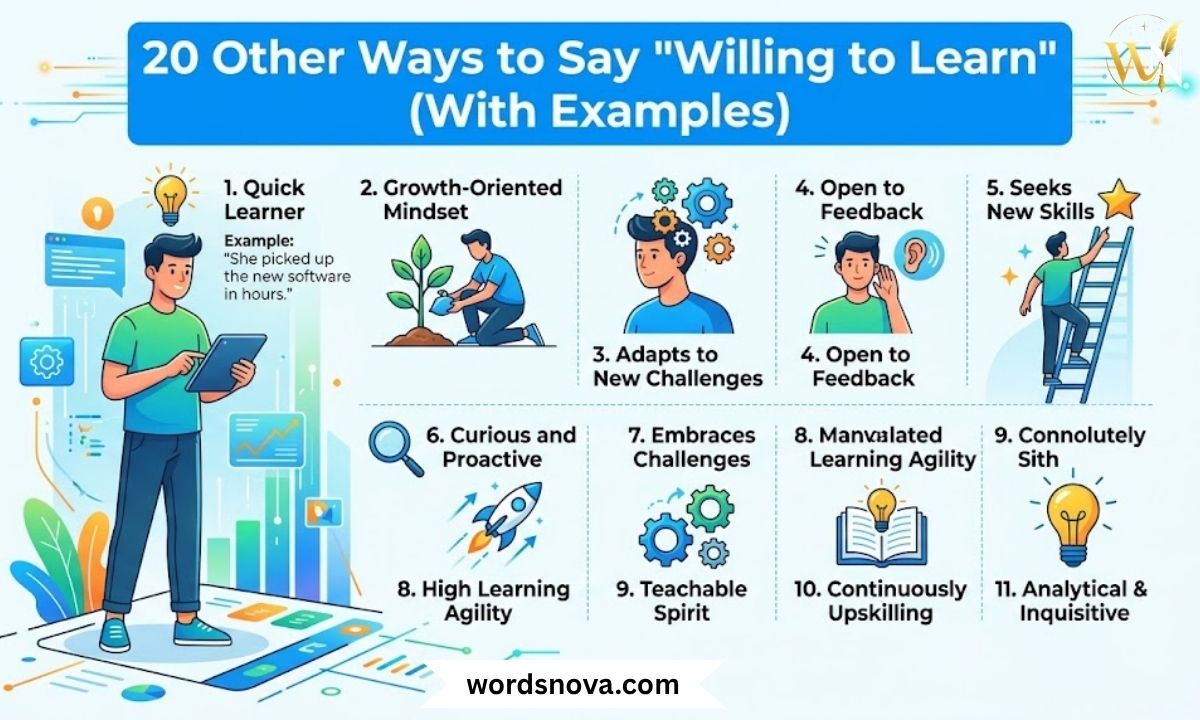
Sometimes, finding the right professional words can be difficult, especially when you want to show that you are eager to grow. If you are looking for other ways to say willing to learn, understanding a willingness to learn synonyms, willingness to learn definition, willing to learn meaning, and the willingness to learn words can make your writing clearer.
You will find other ways to say willing to learn in simple and natural language. These alternatives can help you sound confident in resumes, interviews, emails, and everyday conversations while showing a positive attitude toward learning and growth.
What Does “Willing to Learn” Mean?

“Willing to learn” describes someone who is open to acquiring new skills, knowledge, or ways of doing things, even if they don’t already have experience in a particular area. It signals a positive attitude toward growth and change rather than a fixed skill set.
The phrase is most often used when someone lacks direct experience but wants to reassure an employer, teacher, or mentor that they’ll adapt quickly and won’t resist new information or feedback. At its core, it communicates humility (acknowledging you don’t know everything) paired with initiative (a genuine intent to close that gap).
Is It Professional/Polite to Say “Willing to Learn”?
Yes, “willing to learn” is professional and polite , but it’s also generic. It’s grammatically fine and appropriate in almost any workplace or academic context, so there’s nothing wrong with using it. The issue is impact: because it’s used so frequently in resumes, cover letters, and interviews, it often reads as a filler phrase rather than a genuine selling point.
It works best when it’s backed up with a specific example (“I’m willing to learn new software, and last year I taught myself Excel macros in two weeks to automate a reporting task”). Used alone, without evidence or specificity, it can come across as an empty claim rather than a real strength.
Pros And Cons of Saying “Willing to Learn”
| Pros | Cons |
| Easy to understand and universally acceptable | Overused, so it can sound generic or unmemorable |
| Signals humility and a growth mindset | Doesn’t show actual proof of ability or initiative |
| Useful for entry-level roles or career changers | Can sound like a substitute for missing skills |
| Works in almost any industry or context | Doesn’t differentiate you from other candidates |
| Simple, low-risk phrase for cover letters | May sound passive without a specific example attached |
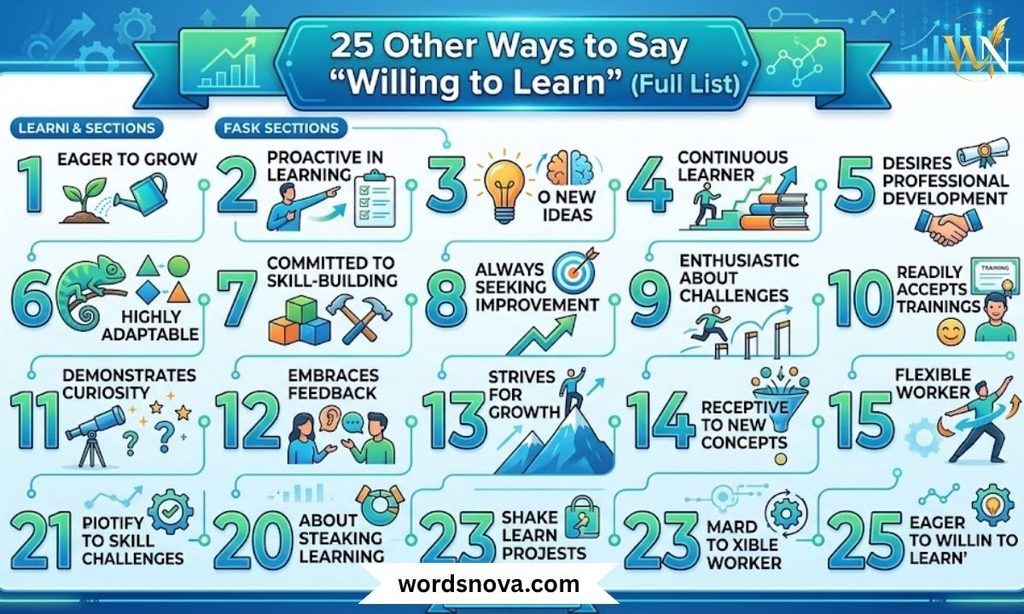
25 Other Ways to Say “Willing to Learn” (Full List)
- Eager to Learn
- Open to Learning
- Ready to Learn
- Keen to Learn
- Curious to Explore
- Enthusiastic About Learning
- Open-Minded
- Receptive to New Ideas
- Willing to Improve
- Motivated to Grow
- Interested in Learning
- Adaptable and Teachable
- Hungry for Knowledge
- Always Learning
- Ready to Develop New Skills
- Passionate About Growth
- Open to Feedback
- Willing to Expand Knowledge
- Excited to Learn
- Committed to Learning
- Dedicated to Self-Improvement
- Looking to Grow
- Ready to Gain Experience
- Eager to Develop
- Open to Guidance
1. Eager to Learn
Meaning: A strong, enthusiastic desire to gain new knowledge or skills.
Scenario: A recent graduate applying for their first marketing role, with no professional experience but strong academic performance.
Definition: Describes someone who actively looks forward to learning, rather than simply tolerating the process.
Best Use: Resumes and interviews for entry-level roles, internships, or career-change situations.
Tone: Enthusiastic, energetic, forward-looking.
Explanation: “Eager” adds intensity that “willing” lacks , it suggests genuine excitement rather than mere acceptance, which can make a stronger impression on hiring managers.
Examples:
- As a new graduate, I’m eager to learn the ins and outs of digital marketing.
- She’s eager to learn from senior engineers on her first project.
- I’m eager to learn any tools your team already uses.
- He joined the lab eager to learn advanced research methods.
- Being eager to learn helped her adapt quickly to the new software.
- I’m eager to learn more about your company’s design process.
- The intern was eager to learn, asking thoughtful questions every day.
2. Open to Learning

Meaning: Willing to accept and absorb new information without resistance.
Scenario: A mid-career professional switching industries who wants to signal flexibility.
Definition: Indicates a mindset of receptiveness , not necessarily excitement, but a lack of resistance to new ideas or methods.
Best Use: Career-change resumes, cover letters, or team introductions where flexibility matters more than passion.
Tone: Calm, neutral, accommodating.
Explanation: This phrase is slightly more understated than “eager,” making it useful when you want to sound approachable and flexible without overselling enthusiasm.
Examples:
- I’m open to learning new systems as needed.
- She’s open to learning different approaches to project management.
- We’re open to learning from other departments’ workflows.
- He remained open to learning throughout the transition.
- I’m open to learning whatever this role requires.
- Being open to learning made the onboarding process smoother for her.
- The team is open to learning new tools that improve efficiency.
3. Ready to Learn
Meaning: Fully prepared and available to begin the learning process immediately.
Scenario: A candidate stepping into a training program on their first day.
Definition: Suggests preparedness and immediacy , the person isn’t just willing in theory, but positioned to start right away.
Best Use: Onboarding conversations, training programs, or first-day introductions.
Tone: Confident, action-oriented.
Explanation: Unlike “willing,” which can sound passive, “ready” implies momentum , the person is set to act, not just consider the idea of learning.
Examples:
- I’m ready to learn the software you use for client management.
- She arrived on day one ready to learn everything about the role.
- He’s ready to learn from his mistakes and improve quickly.
- I’m ready to learn new procedures whenever necessary.
- The new hire was ready to learn and took notes constantly.
- We’re ready to learn from this quarter’s results.
- Being ready to learn made her transition into the team effortless.
4. Keen to Learn
Meaning: A sharp, focused interest in acquiring new skills or knowledge.
Scenario: A junior employee expressing genuine interest in a specialized technical skill during a performance review.
Definition: Similar to “eager,” but slightly more formal and commonly used in British and international English.
Best Use: Formal cover letters, especially in UK, Australian, or international job markets.
Tone: Polished, sincere, professional.
Explanation: “Keen” carries a slightly more formal register than “eager,” making it a natural fit for polished, traditional business writing.
Examples:
- I’m keen to learn how your team handles client onboarding.
- She’s keen to learn new coding languages in her spare time.
- He remained keen to learn despite the steep learning curve.
- I’m keen to learn from experienced colleagues in this field.
- The apprentice was keen to learn every stage of the process.
- We’re keen to learn what worked well in previous campaigns.
- Being keen to learn helped him stand out among the interns.
5. Curious to Explore
Meaning: Driven by genuine interest to investigate and understand something new.
Scenario: A candidate applying for a research or creative role where inquisitiveness is a core trait.
Definition: Emphasizes intellectual curiosity rather than a simple willingness , the focus is on wanting to discover, not just comply.
Best Use: Creative, research, or innovation-focused roles.
Tone: Thoughtful, inquisitive, imaginative.
Explanation: This phrase shifts the focus from obligation to genuine interest, which resonates well in fields that value original thinking.
Examples:
- I’m curious to explore new design trends in the industry.
- She’s curious to explore data patterns no one else noticed.
- He’s always curious to explore alternative solutions to a problem.
- I’m curious to explore how this technology could scale.
- The student was curious to explore topics beyond the syllabus.
- We’re curious to explore new markets this year.
- Being curious to explore different perspectives made her a strong researcher.
6. Enthusiastic About Learning
Meaning: Showing visible excitement and positive energy toward the learning process.
Scenario: A candidate in an interview describing their attitude toward professional development.
Definition: Combines emotional energy with a learning mindset, often used to convey personality alongside capability.
Best Use: Interviews, personal statements, or team culture discussions.
Tone: Warm, energetic, personable.
Explanation: This phrase highlights personality as much as capability, which can help candidates seem more memorable and likable.
Examples:
- I’m enthusiastic about learning new frameworks as they emerge.
- She’s enthusiastic about learning directly from customer feedback.
- He stayed enthusiastic about learning even after setbacks.
- I’m enthusiastic about learning about your company’s unique process.
- The trainee was enthusiastic about learning every task assigned.
- We’re enthusiastic about learning from this year’s challenges.
- Being enthusiastic about learning kept morale high on the team.
7. Open-Minded
Meaning: Receptive to new ideas, perspectives, or ways of thinking, without prejudice.
Scenario: A team member navigating a merger with unfamiliar processes and colleagues.
Definition: Broader than a learning-specific phrase , it reflects a general openness to change, criticism, and differing viewpoints.
Best Use: Team environments, cross-cultural settings, or roles involving collaboration and feedback.
Tone: Balanced, respectful, flexible.
Explanation: “Open-minded” works well when you want to emphasize adaptability in thinking, not just skill acquisition.
Examples:
- I’m open-minded about trying different management styles.
- She stayed open-minded during the merger’s transition period.
- He’s open-minded when it comes to unconventional solutions.
- I’m open-minded about restructuring my daily workflow.
- The manager was open-minded about employee suggestions.
- We try to remain open-minded during brainstorming sessions.
- Being open-minded helped the team embrace the new software.
8. Receptive to New Ideas
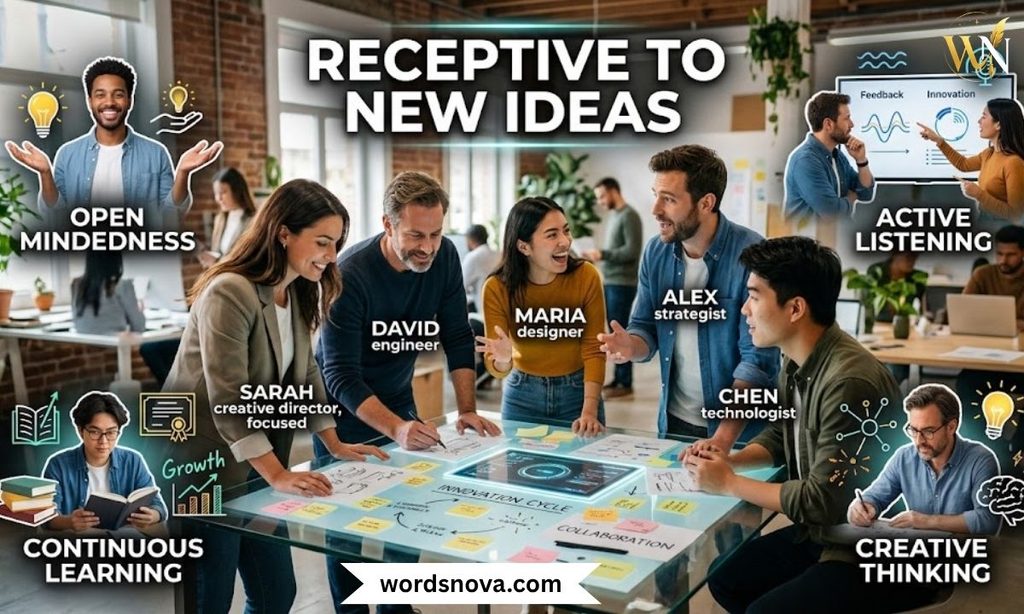
Meaning: Willing to accept, consider, and act on ideas different from one’s own.
Scenario: A leader inviting input from junior staff during a strategy meeting.
Definition: Focuses specifically on how someone responds to input or feedback from others, rather than general learning ability.
Best Use: Leadership contexts, feedback culture, or collaborative projects.
Tone: Approachable, humble, collaborative.
Explanation: This phrase signals humility in leadership , showing you value others’ input rather than assuming you already know best.
Examples:
- I’m receptive to new ideas from every member of the team.
- She’s receptive to new ideas, even ones that challenge her own.
- He remained receptive to new ideas throughout the project.
- I’m receptive to new ideas about improving our workflow.
- The director was receptive to new ideas during the review.
- We stay receptive to new ideas from customer feedback.
- Being receptive to new ideas made the meeting more productive.
9. Willing to Improve
Meaning: Open to identifying weaknesses and actively working to correct them.
Scenario: An employee responding to constructive criticism in a performance review.
Definition: Focuses on self-development and correction rather than acquiring entirely new knowledge.
Best Use: Performance reviews, self-assessments, or responses to feedback.
Tone: Humble, accountable, sincere.
Explanation: Unlike general learning phrases, this one specifically addresses growth from a known weakness, which shows accountability.
Examples:
- I’m willing to improve my time-management skills.
- She’s willing to improve based on the manager’s feedback.
- He remained willing to improve after a difficult quarter.
- I’m willing to improve wherever the team needs support.
- The employee was willing to improve his communication style.
- We’re willing to improve our process after this review.
- Being willing to improve showed real maturity in the interview.
10. Motivated to Grow
Meaning: Internally driven to develop professionally or personally over time.
Scenario: A candidate discussing long-term career goals during a job interview.
Definition: Emphasizes internal drive and long-term ambition rather than short-term willingness to learn a task.
Best Use: Career development conversations, growth-focused interviews, or leadership tracks.
Tone: Ambitious, forward-thinking, sincere.
Explanation: This phrase highlights sustained motivation, which appeals to employers looking for long-term potential rather than short-term compliance.
Examples:
- I’m motivated to grow into a leadership role over time.
- She’s motivated to grow her technical expertise every year.
- He stayed motivated to grow despite early setbacks.
- I’m motivated to grow within this company long-term.
- The associate was motivated to grow beyond her current role.
- We’re motivated to grow as a team, not just individually.
- Being motivated to grow kept him focused during tough projects.
11. Interested in Learning
Meaning: Having genuine curiosity or attention directed toward acquiring new knowledge.
Scenario: A candidate expressing interest in a niche skill they haven’t yet used professionally.
Definition: A simple, direct statement of interest , less intense than “eager,” but more specific than “willing.”
Best Use: Casual conversations, informal cover letters, or early-career discussions.
Tone: Sincere, straightforward, modest.
Explanation: This phrase is a safe, natural-sounding alternative when you want to avoid sounding overly formal or overly enthusiastic.
Examples:
- I’m interested in learning more about your team’s process.
- She’s interested in learning new programming languages.
- He’s interested in learning how the sales team operates.
- I’m interested in learning about international markets.
- The student was interested in learning outside the classroom.
- We’re interested in learning what customers value most.
- Being interested in learning kept her engaged during training.
12. Adaptable and Teachable
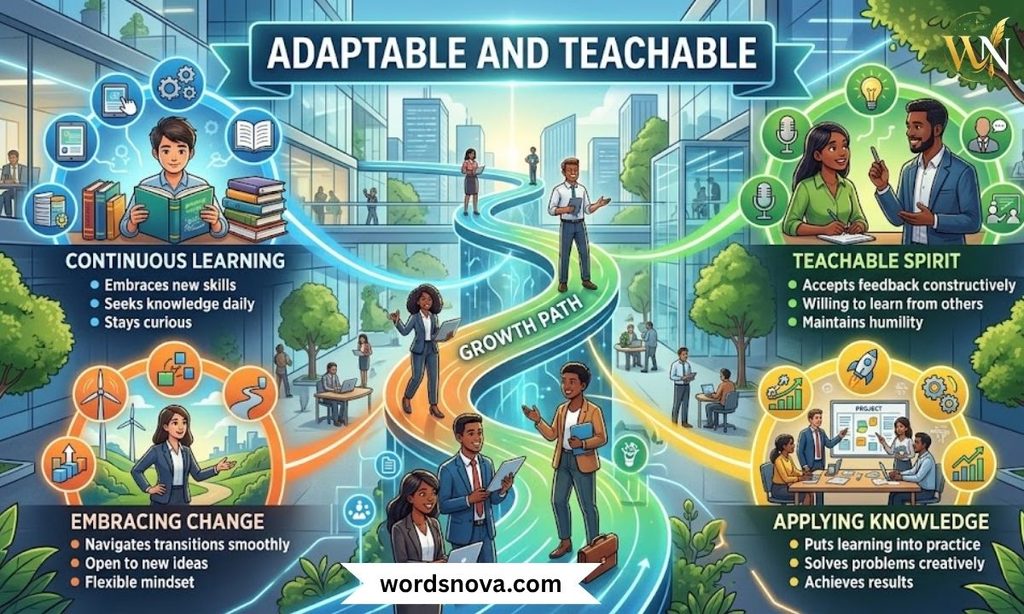
Meaning: Able to adjust to new situations and receptive to being taught or corrected.
Scenario: A candidate switching careers entirely, with transferable but not directly relevant skills.
Definition: Combines flexibility (adaptable) with openness to instruction (teachable), making it a strong pairing for career changers.
Best Use: Career transitions, roles requiring flexibility, or fast-changing industries.
Tone: Practical, confident, humble.
Explanation: This combination reassures employers that you’ll both adjust to change and accept guidance, which is especially valuable without direct experience.
Examples:
- I’m adaptable and teachable, even in unfamiliar situations.
- She proved adaptable and teachable during the software rollout.
- He’s adaptable and teachable, which helped him switch industries.
- I’m adaptable and teachable when processes change quickly.
- The recruit was adaptable and teachable from day one.
- We look for candidates who are adaptable and teachable.
- Being adaptable and teachable helped her thrive in a new field.
13. Hungry for Knowledge
Meaning: Possessing an intense, almost insatiable desire to learn.
Scenario: A self-taught professional describing their drive in a personal statement or cover letter.
Definition: A vivid, informal phrase that conveys strong intellectual appetite, often used to show passion beyond routine learning.
Best Use: Personal statements, creative fields, or personality-driven interviews.
Tone: Passionate, vivid, informal.
Explanation: This phrase uses figurative language to emphasize intensity, which can make a candidate’s motivation feel more personal and memorable.
Examples:
- I’ve always been hungry for knowledge in this field.
- She’s hungry for knowledge and reads constantly to keep up.
- He stayed hungry for knowledge even after years of experience.
- I’m hungry for knowledge about emerging technologies.
- The analyst was hungry for knowledge beyond her job description.
- We hire people who are hungry for knowledge, not just credentials.
- Being hungry for knowledge pushed him to pursue certifications.
14. Always Learning
Meaning: Continuously engaged in the process of gaining new skills or knowledge, without a fixed endpoint.
Scenario: An experienced professional emphasizing lifelong learning on a LinkedIn profile or bio.
Definition: Suggests an ongoing, habitual mindset rather than a one-time willingness tied to a specific job or task.
Best Use: LinkedIn summaries, professional bios, or senior-level introductions.
Tone: Humble, continuous, self-aware.
Explanation: This phrase works well for experienced professionals who want to show humility and avoid sounding complacent despite years of expertise.
Examples:
- I’m always learning, no matter how experienced I become.
- She’s always learning from younger colleagues on her team.
- He’s always learning new tools to stay current in his field.
- I’m always learning something new from every project I take on.
- The consultant is always learning from client interactions.
- We’re always learning as an organization, not just as individuals.
- Being always learning has kept his skills relevant for decades.
15. Ready to Develop New Skills
Meaning: Prepared and willing to actively build capabilities not yet possessed.
Scenario: A candidate applying to a role that requires training in specific software or techniques.
Definition: A more specific, skill-focused version of “ready to learn,” emphasizing tangible skill-building rather than general knowledge.
Best Use: Technical roles, training programs, or apprenticeships.
Tone: Practical, confident, direct.
Explanation: This phrase is useful when the job clearly requires specific skill development, making your statement more targeted and credible.
Examples:
- I’m ready to develop new skills in project management.
- She’s ready to develop new skills through this apprenticeship.
- He’s ready to develop new skills in data analysis.
- I’m ready to develop new skills your team specifically needs.
- The trainee was ready to develop new skills quickly.
- We’re ready to develop new skills as the industry evolves.
- Being ready to develop new skills made her a strong hire.
16. Passionate About Growth
Meaning: Deeply enthusiastic about personal or professional development over time.
Scenario: A candidate describing their career philosophy during a values-based interview.
Definition: Focuses on emotional investment in long-term development, rather than short-term task-based learning.
Best Use: Values-driven interviews, leadership development programs, or startups.
Tone: Inspired, ambitious, sincere.
Explanation: This phrase works well in cultures that emphasize personal development as much as technical skill, such as startups or growth-focused companies.
Examples:
- I’m passionate about growth, both mine and the team’s.
- She’s passionate about growth and regularly seeks new challenges.
- He’s passionate about growth in every role he’s held.
- I’m passionate about growth opportunities within this company.
- The manager was passionate about growth for her whole team.
- We’re passionate about growth as a core company value.
- Being passionate about growth kept him motivated during setbacks.
17. Open to Feedback
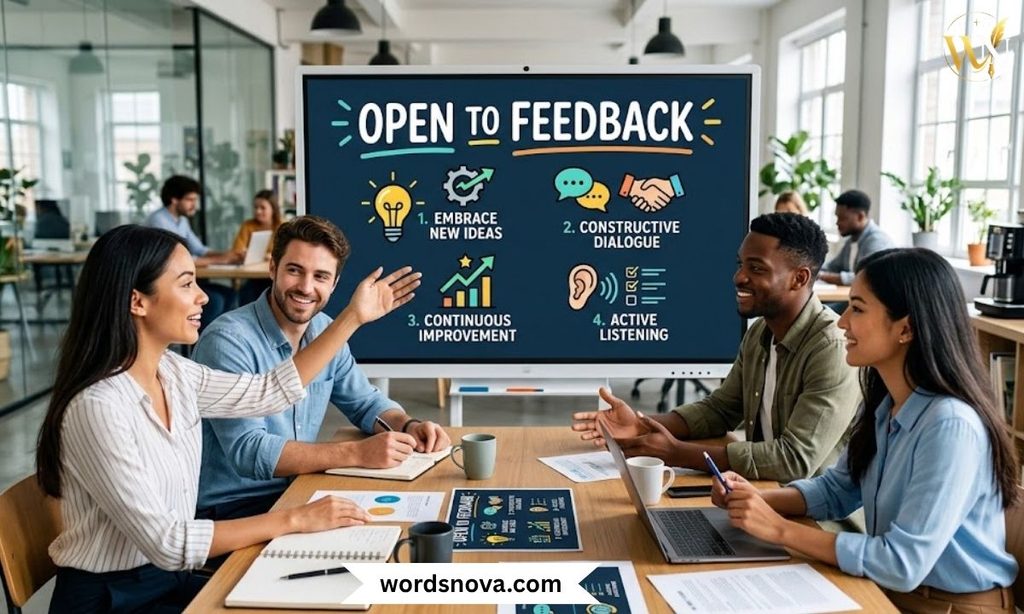
Meaning: Willing to receive criticism or suggestions and use them constructively.
Scenario: A new employee responding to a manager’s suggestions during their first month.
Definition: Specifically addresses how someone reacts to evaluation and correction, distinct from general learning willingness.
Best Use: Performance reviews, mentorship relationships, or collaborative teams.
Tone: Humble, mature, cooperative.
Explanation: This phrase is particularly persuasive because it shows emotional maturity , a trait many employers value as much as technical skill.
Examples:
- I’m open to feedback and use it to improve quickly.
- She’s open to feedback, even when it’s difficult to hear.
- He remained open to feedback throughout the project.
- I’m open to feedback on my writing and presentation style.
- The new hire was open to feedback from day one.
- We stay open to feedback from clients and colleagues alike.
- Being open to feedback helped her grow faster than expected.
18. Willing to Expand Knowledge
Meaning: Open to broadening one’s understanding beyond current expertise.
Scenario: A specialist looking to branch into adjacent skills or departments.
Definition: A slightly more formal variation of “willing to learn,” often used when someone already has expertise but wants to grow further.
Best Use: Mid-career resumes, specialist roles, or cross-functional opportunities.
Tone: Formal, thoughtful, professional.
Explanation: This phrase suits professionals who already have strong expertise but want to signal openness to broadening their scope.
Examples:
- I’m willing to expand my knowledge into adjacent areas.
- She’s willing to expand her knowledge of financial modeling.
- He’s willing to expand his knowledge beyond his specialty.
- I’m willing to expand my knowledge as the role evolves.
- The specialist was willing to expand her knowledge base.
- We encourage employees willing to expand their knowledge.
- Being willing to expand knowledge helped him move into management.
19. Excited to Learn

Meaning: Feeling genuine enthusiasm and anticipation about the learning process.
Scenario: A new team member’s first message to colleagues after being hired.
Definition: A casual, emotionally expressive alternative that conveys positive energy in informal or friendly settings.
Best Use: Informal introductions, welcome emails, or casual workplace cultures.
Tone: Cheerful, informal, warm.
Explanation: This phrase works well in relaxed environments where personality and enthusiasm matter as much as formal qualifications.
Examples:
- I’m excited to learn from such an experienced team.
- She’s excited to learn the ropes in her new role.
- He’s excited to learn everything about the product line.
- I’m excited to learn more during my first few weeks.
- The new hire was excited to learn from her mentor.
- We’re excited to learn together as a growing team.
- Being excited to learn made her first week enjoyable.
20. Committed to Learning
Meaning: Dedicated and consistent in pursuing new knowledge over time.
Scenario: A professional describing their approach to ongoing certifications or education.
Definition: Emphasizes discipline and follow-through, not just initial interest or enthusiasm.
Best Use: Resumes emphasizing reliability, certifications, or continuing education.
Tone: Serious, dependable, steady.
Explanation: This phrase reassures employers of consistency, which matters for roles requiring ongoing training or certification.
Examples:
- I’m committed to learning throughout my career, not just early on.
- She’s committed to learning new regulations as they change.
- He remained committed to learning despite a heavy workload.
- I’m committed to learning the systems this role requires.
- The employee was committed to learning every process thoroughly.
- We’re committed to learning from every project’s outcome.
- Being committed to learning earned her a strong reputation.
21. Dedicated to Self-Improvement

Meaning: Focused on consistently bettering oneself, skills, or habits.
Scenario: A candidate describing personal development efforts outside of formal education.
Definition: Broader than workplace learning , includes personal growth, habits, and self-directed development.
Best Use: Personal statements, self-assessments, or growth-oriented roles.
Tone: Reflective, sincere, determined.
Explanation: This phrase highlights initiative taken outside formal structures, which can demonstrate strong self-motivation.
Examples:
- I’m dedicated to self-improvement in both skills and mindset.
- She’s dedicated to self-improvement through daily reading habits.
- He remained dedicated to self-improvement after a career setback.
- I’m dedicated to self-improvement, even outside of work hours.
- The athlete was dedicated to self-improvement every season.
- We value employees dedicated to self-improvement.
- Being dedicated to self-improvement helped her land a promotion.
22. Looking to Grow
Meaning: Actively seeking opportunities for personal or professional development.
Scenario: A candidate explaining why they’re leaving a stagnant role for a new opportunity.
Definition: A conversational way to express ambition and forward movement, often used in interviews.
Best Use: Interviews discussing career transitions or reasons for job changes.
Tone: Conversational, honest, forward-looking.
Explanation: This phrase is useful for explaining career moves without sounding negative about a previous role.
Examples:
- I’m looking to grow into a role with more responsibility.
- She’s looking to grow her skill set beyond her current position.
- He’s looking to grow professionally in a more dynamic environment.
- I’m looking to grow within an organization like yours.
- The candidate was looking to grow after years in the same role.
- We’re looking to grow our team’s overall capabilities.
- Being looking to grow led her to seek this opportunity.
23. Ready to Gain Experience
Meaning: Prepared to acquire practical, hands-on knowledge through direct involvement.
Scenario: A student or graduate seeking an internship or entry-level position.
Definition: Focuses specifically on experiential learning rather than theoretical knowledge.
Best Use: Internship applications, entry-level resumes, or apprenticeship programs.
Tone: Practical, humble, motivated.
Explanation: This phrase is ideal when a candidate has theoretical knowledge but lacks real-world application, which is common for students and recent graduates.
Examples:
- I’m ready to gain experience in a real-world marketing environment.
- She’s ready to gain experience working directly with clients.
- He’s ready to gain experience in a fast-paced newsroom.
- I’m ready to gain experience through hands-on projects.
- The intern was ready to gain experience in every department.
- We give students the chance to be ready to gain experience early.
- Being ready to gain experience motivated her to apply.
24. Eager to Develop
Meaning: Enthusiastically motivated to build and refine skills over time.
Scenario: A junior employee discussing a career development plan with their manager.
Definition: Combines enthusiasm with an ongoing developmental process, rather than a single learning event.
Best Use: Career development plans, mentorship discussions, or growth-focused reviews.
Tone: Motivated, proactive, sincere.
Explanation: This phrase suits conversations specifically about structured, long-term skill development rather than casual learning.
Examples:
- I’m eager to develop my leadership abilities over time.
- She’s eager to develop stronger technical skills this year.
- He’s eager to develop through mentorship and hands-on work.
- I’m eager to develop within a supportive team environment.
- The associate was eager to develop new competencies.
- We support employees who are eager to develop professionally.
- Being eager to develop helped him qualify for the promotion.
25. Open to Guidance

Meaning: Willing to accept advice, direction, or mentorship from others.
Scenario: A new employee working closely with a mentor or senior colleague.
Definition: Focuses on receptiveness to mentorship specifically, rather than general learning or feedback.
Best Use: Mentorship programs, onboarding, or junior-to-senior working relationships.
Tone: Respectful, humble, cooperative.
Explanation: This phrase is especially effective in mentorship contexts, where showing respect for guidance matters as much as competence.
Examples:
- I’m open to guidance from anyone more experienced than me.
- She’s open to guidance during her first few months on the job.
- He remained open to guidance even as his confidence grew.
- I’m open to guidance on how best to approach this project.
- The new hire was open to guidance from her assigned mentor.
- We pair new employees with mentors so they stay open to guidance.
- Being open to guidance helped him avoid early mistakes.
Frequently Asked Questions
What are other ways to say willing to learn?
Other ways to say willing to learn include eager to learn, open to learning, ready to grow, keen to improve, and interested in gaining knowledge.
How do you professionally say you are willing to learn?
You can professionally say willing to learn by using phrases like eager to develop new skills, committed to growth, and open to new opportunities.
What is another word for willing to learn?
Another word for willing to learn is teachable. You can also say adaptable, curious, receptive, motivated, eager, or open-minded when describing someone ready to gain skills.
How do you say you are willing to learn on a resume?
On a resume, use other ways to say willing to learn, such as eager to develop skills, adaptable, motivated, and committed to continuous professional growth.
What is a good synonym for willing to learn?
A good synonym for willing to learn is eager to learn. Other useful choices include teachable, curious, receptive, adaptable, motivated, and open-minded.
How do you describe someone willing to learn?
Someone willing to learn can be described as curious, adaptable, teachable, motivated, receptive to feedback, and eager to develop new knowledge and skills.
What are other ways to say eager to learn?
Other ways to say eager to learn include keen to grow, enthusiastic about learning, open to new ideas, ready to improve, and motivated to develop skills.
How can I say willing to learn in an interview?
In an interview, use other ways to say willing to learn, such as eager to grow, open to feedback, ready for challenges, and motivated to improve.
What phrase shows a willingness to learn?
Phrases showing a willingness to learn include eager to develop, open to new experiences, receptive to feedback, committed to growth, and ready to gain new skills.
Why use other ways to say willing to learn?
Using other ways to say willing to learn helps your writing sound natural and professional. Different phrases can better express curiosity, flexibility, motivation, and growth.
Conclusion
Finding the right other ways to say willing to learn can make your communication sound more confident and professional. You can use phrases like eager to learn, open to learning, ready to grow, or keen to improve. The phrase willing to learn shows a positive attitude toward gaining new skills and knowledge. Understanding a willingness to learn synonym can also help you choose words that fit different situations. The willingness to learn definition is simply having a positive desire to gain knowledge or improve your skills.
Using other ways to say willing to learn can make your emails, resumes, and conversations more natural. The willingness to learn meaning can change slightly based on the context, so choose words carefully. Each willing to learn word can show curiosity, growth, and a positive mindset. With these other ways to say willing to learn, you can express your interest in learning clearly and professionally.